
Expert General Surgery
at Manipal Hospital Old Airport Road
Advanced Surgical Care
for a Wide Range of Conditions
Advanced Surgical Care for a Wide Range of Conditions


Expert
General Surgery
Expert General Surgery
at Manipal Hospital Old Airport Road
Advanced Surgical Care for
a Wide Range of Conditions
Advanced Surgical Care for a Wide Range of Conditions
Treatments and Procedures
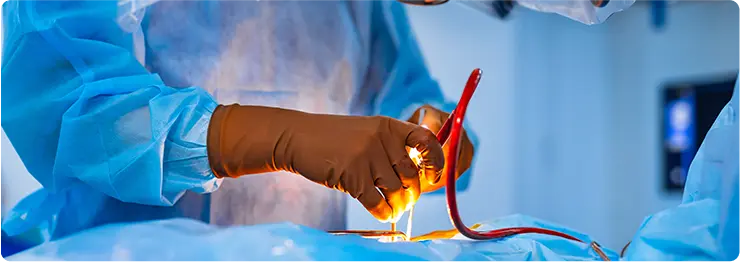
Cholecystectomy or Gallbladder Removal Surgery is the most common procedure to remove
gallstones and other associated gallbladder problems. The gallbladder is a tiny, hollow
organ that stores bile for the digestive system. Patients can live a healthy life without a
gallbladder. You can choose one of the 2 approaches of Cholecystectomy - Open or
Laparoscopic cholecystectomy operations. However, Laparoscopic surgery has gained prominence
due to its benefits to patients, like smaller incisions & scars, less pain, shorter hospital
stays, and faster recovery.
Open cholecystectomy:
Open cholecystectomy is the traditional approach that involves a single, 4–6-inch long
incision beneath the right rib through which the surgeon removes the gallbladder using
surgical tools. A surgical drain is placed for fluid evacuation. The drain is kept until it
is no longer required and the incision is closed.
Laparoscopic cholecystectomy:
Laparoscopic cholecystectomy is a minimally invasive approach that only requires several
keyhole incisions in the abdomen. Surgeons insert surgical instruments and a laparoscope (a
thin tube with a camera) to view the gallbladder and remove it. The lap cholecystectomy
operation takes about 30 to 60 minutes.
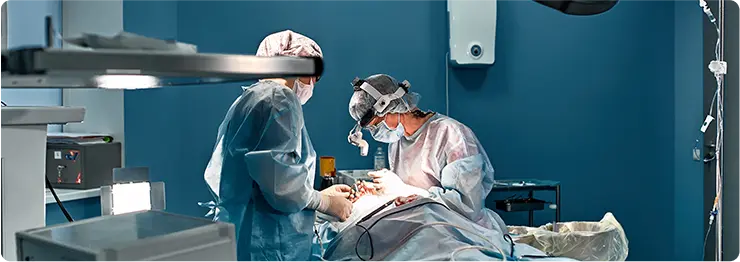
An appendectomy is a surgical procedure to remove an infected appendix - known as
Appendicitis. The appendix is a tiny pouch that connects to the big intestine. It is located
in the bottom right region of your abdomen. If not addressed immediately, your appendix may
rupture, which may result in an emergency appendix removal operation. There are 2 types of
Appendix Removal Surgery: open appendix surgery and the laparoscopic removal of the
appendix.
Open Appendectomy:
In an open appendectomy, a 2 to 4-inch cut or incision is done on the bottom right side of
your stomach or abdomen. The appendix is removed through the incision.
Laparoscopic Appendectomy:
The appendicitis laparoscopic surgery is less invasive. During the procedure, 1–3 small
incisions are made. A long, thin tube called a laparoscope is inserted through one of the
incisions. The surgeon uses a monitor to see into your abdomen and direct the instruments.
The appendix is removed through one of the incisions.
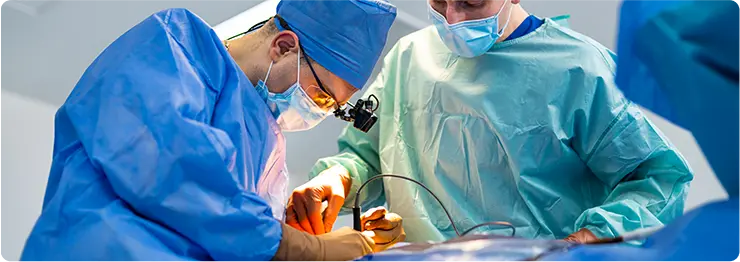
A hernia is a protrusion of a bodily organ through a weak area or natural opening via which
it does not pass. A weakening of the abdominal wall can cause it and may be congenital or
acquired. Hernia Surgery is categorised based on location and can be classified as
Inguinal
Hernioplasty, Umbilical Hernia Surgery, Epigastric, Incisional, or Hiatus Hernia
Operation.
At Manipal Hospital Old Airport Road, Bangalore, hernia treatment is done through either of
the 2 surgical techniques available - Traditional Hernia Repair and Laparoscopic Hernia
Repair Operation.
In the traditional approach, the abdominal wall is cut open to move the protruding tissues
back in place. The weak region is reinforced using a synthetic mesh. In a laparoscopy,
our
hernia doctors in Bangalore repair a hernia by passing thin, flexible instruments
through
small incisions. A camera is mounted on the end of these instruments to have a magnified
image of the damaged region on a computer screen.

The thyroid gland can produce excessive thyroid hormone (hyperthyroidism) or too little
thyroid hormone (hypothyroidism) for several reasons. Thyroid-related diseases can affect
heart rate, mood, energy level, metabolism, bone health, and pregnancy. Manipal Hospital Old
Airport Road offers a thorough approach to treating goitre, hypothyroidism,
hyperthyroidism
treatment, thyroid nodules, and thyroid cancer.
Several types of thyroid removal surgery exist, such as Lobectomies or
Hypothyroidemies.
This entails removing half or one thyroid lobe. If a nodule or low-risk thyroid carcinoma is
restricted to one side of the thyroid, a physician could suggest this procedure.
Similarly, an Isthmusectomy is needed for small tumours on the isthmus - a portion of tissue
that joins the thyroid's two lobes - it is removed during this procedure. In a Complete
Thyroid Removal, the thyroid gland is removed completely. A Thyroidectomy is necessary in
some cases of Graves' illness, thyroid malignancy, and bilateral thyroid nodules.
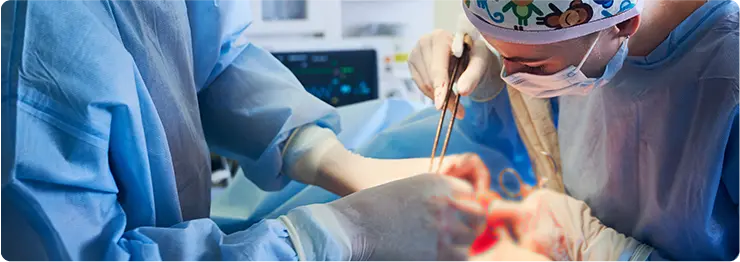
Mastectomy is used to treat breast cancer by removing either part or all of the breast
tissue, both as a preventive measure and as a treatment. With an emphasis on patient-centred
treatment, breast prosthesis, and reconstructive techniques, Manipal Hospital Old Airport
Road specialises in various mastectomy surgery techniques:
1. Total Mastectomy: Removes the entire breast tissue, including the nipple and
areola.
2. Modified Radical Mastectomy: Removes breast tissue, nipple, and some lymph nodes.
3. Partial Mastectomy (Lumpectomy): Removes the tumour and some surrounding breast
tissue.
Our General Surgeons in Bangalore take into account the patient's preferences, medical
history and breast cancer stage while conducting a mastectomy surgery. Following a
mastectomy, breast reconstruction can be done immediately or later to restore the symmetry
and contour of the breasts using autologous tissue or implants
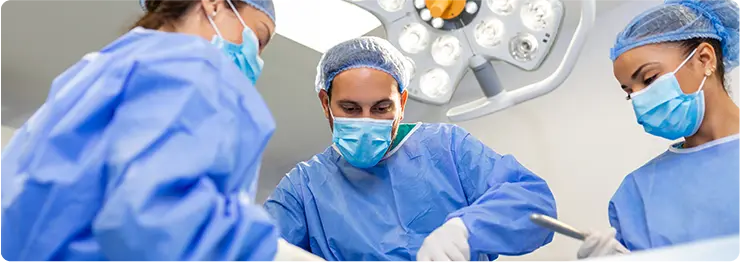
Irritable Bowel Syndrome (IBS) is a chronic gastrointestinal disorder indicated by abdominal
pain, bloating, and changes in bowel habits.
Treatment for Irritable Bowel Syndrome (IBS) at Manipal Hospital Old Airport Road is
customised based on each patient's needs and symptoms. It is advised to make lifestyle
adjustments for minor symptoms, such as managing stress, eating healthy, and exercising
daily. Fiber supplements, laxatives, antidiarrheal medicines, or anticholinergic drugs to
reduce bowel spasms may be administered for irritable bowel syndrome (IBS) treatment. When
conservative measures are not adequate, Bowel Syndrome Treatment Surgery is considered to
target issues causing IBS symptoms.
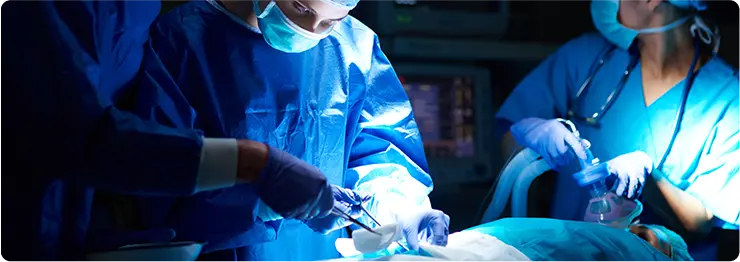
The large intestine or colon and rectum form the lumen colon, and rectal surgery is used to
treat various diseases such as colon and rectal cancers, inflammatory bowel disease (IBD),
and diverticulitis.
A Colonectomy is a type of colon surgery in which the diseased part of the colon is taken
out. Similarly, a Prostatectomy is the removal of the entire or portions of the colon and
rectum. Our experienced colorectal surgeons work with multidisciplinary teams to provide
preoperative evaluation, personalised treatment plans for Open or minimally invasive Colon
Surgery, and postoperative care based on the patient's needs and past medical background,
offering the best results and individualised attention throughout the surgical process.
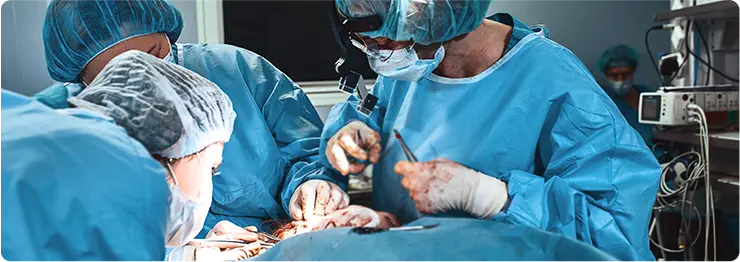
An Esophagectomy is a surgical procedure in which the oesophagus—the tube that connects the
neck and stomach—is removed. Conditions such as oesophagal cancer, oesophagal damage or
constriction, and oesophagal problems are treated using this surgery.
An Esophagectomy involves the removal of either the entire oesophagus or only a piece of it,
along with any adjacent lymph nodes that may need to be removed. Then, to restore the
connection between the throat and stomach, the remaining portion of the oesophagus is
reconstructed. Our integrated team conducts thorough preoperative assessments, employs
cutting-edge surgical methodologies, tailors postoperative care, and guides patients through
every stage of their Esophagectomy Procedure.
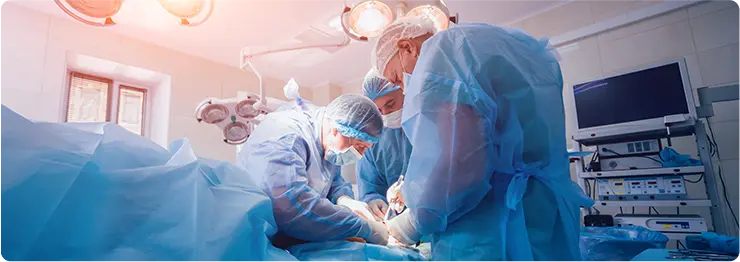
A Pancreatectomy is a surgical procedure in which the pancreas is removed completely or
partially. The pancreas is a part of your digestive system. It has enzymes that help break
down food for digestion, as well as hormones that assist in regulating blood sugar levels
and storing energy from meals. There are various types of pancreatectomy procedures,
including
• Distal Pancreatectomy: It is pancreatic tail removal surgery and sometimes removes
part of
the body. It includes pancreas spleen removal since it's connected to the tail.
• Pancreaticduodenectomy: Removes the head of the pancreas, part of the small
intestine
(duodenum), common bile duct, and gallbladder. Reconnects remaining parts for normal
digestion.
• Total Pancreatectomy: Removes the entire pancreas due to widespread disease.
Pancreas
spleen removal, gallbladder, duodenum, and part of the stomach. Reconnects remaining organs
for digestion.
• Central Pancreatectomy: Removes the central body of the pancreas, leaving the head
and
tail intact. It is rarely done but helps to preserve pancreatic function and avoid removing
other organs.
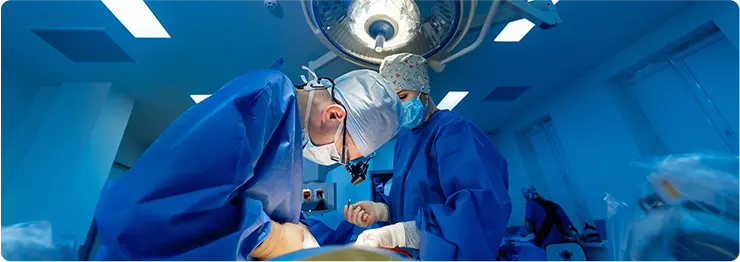
A liver resection, or hepatectomy, is a surgical method that involves removing part of your
liver. You can have up to two-thirds of your liver removed as long as the rest of it is
healthy.
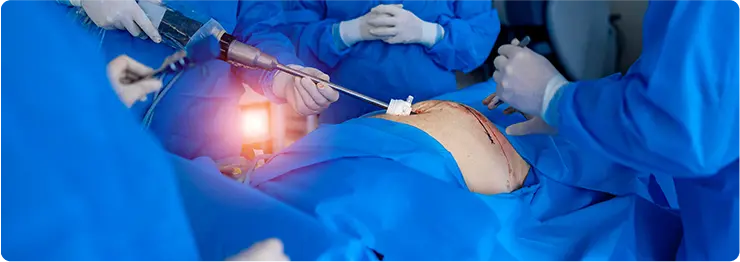
Hepatectomy procedures can be done using open, laparoscopic, or robotic surgery. The surgeon
evaluates the best way to treat your issue. Laparoscopic and Robotic Procedures are less
intrusive because they employ fewer incisions—typically four to six tiny incisions, each
approximately a half-inch in size. These tiny incisions allow for a faster recovery.
However, standard Open Surgery may be required to address larger or more difficult liver
resections. The multidisciplinary team conducts thorough preoperative assessments and
provides expert surgical care and hepatectomy post-op care for improved outcomes.
When your surgeon needs to diagnose issues such as severe abdominal discomfort, a diagnostic
Laparotomy is the ideal method. When the specific reason for the discomfort is unknown, your
surgeon is unable to specify the location for a laparoscopic treatment. In such cases, the
abdomen is opened to inspect each organ and determine the source of your abdomen pain.
Your heart and lungs will be checked to make sure general anaesthetic is safe to use before
surgery. Your hand or arm will be given an intravenous (IV) line, and your vital signs will
be monitored. You will be given general anaesthesia for the ex-laparotomy procedure. Your
abdomen will have a lengthy vertical incision made once your skin has been cleaned and
disinfected. After that, the surgeon will examine your abdominal cavity for any indications
of illness or injury. Once the problem has been recognised, it can be treated concurrently,
or another surgical procedure is needed to address the issue.
General Surgery
in
Bangalore
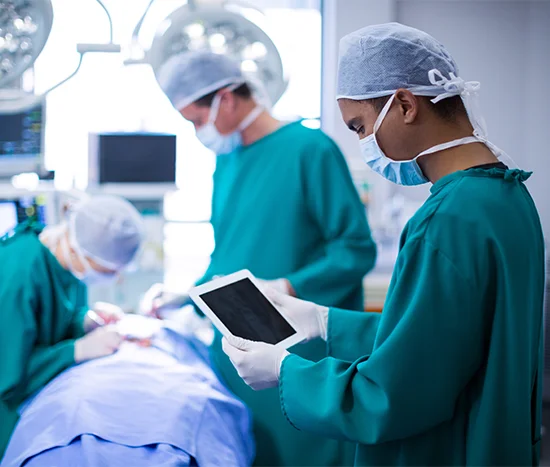
Surgical experience can be stressful. At Manipal Hospital Old Airport Road, we understand that and offer a complete range of surgical care for different conditions – both simple, minor procedures or complex surgeries. Our General Surgeons are highly proficient in managing conditions affecting the digestive system, abdomen, endocrine system, skin, breast, and soft tissue. They are also trained to manage patients before, during, and after surgery. Our approach is compassionate and we bring forth the most suitable outcome. We employ minimally invasive procedures whenever we can - to reduce your pain and discomfort. This also translates to a faster recovery period and shorter hospital stays. Visit Manipal Hospital Old Airport Road if you have any concerns related to your health which may require a surgical approach.
Why Choose Us?
At Manipal Hospital Old Airport Road, we are dedicated to delivering
comprehensive
and
personalized treatment plans. Choose Manipal Hospital Old Airport Road because we are equipped with:

Expert team of general surgeons with years of experience

Latest surgical technology, including robotic-assisted, laparoscopic, and laser surgeries

Infrastructure for precise diagnosis and treatment

Patient-centric holistic care

Post-operative rehabilitation

Multidisciplinary care whenever needed
Our Facilities
Manipal Hospital Old Airport Road in Bangalore offers advanced facilities and services for general surgery. Our experienced team provides:

Advanced
diagnostic therapies

State-of-the-art
operation theatres

Comprehensive preoperative
assessments

Minimally-invasive
approaches

Specialised
postoperative care

Rehabilitation
programs for recovery

Patient education
and support
Patient Experiences
Combining the best specialists and equipment to provide you nothing short of the best in healthcare.
Patient Experiences
Combining the best specialists and equipment to provide you nothing short of the best in healthcare.
FAQ's
● Significant reduction in post-operative pain
● Lesser blood loss
● Lesser scarring
● Shorter recovery period
● Faster return to normal