

Uterine Fibroids
Uterine Fibroids
At Manipal Hospitals in Bangalore, women receive dedicated support through fibroid treatment. These tumours are common and non-cancerous, basically formed in the uterine muscle, and their development is also controlled by hormonal changes, thus leading to heavy blood loss during periods, discomfort in the pelvic area, or difficulties in getting pregnant. Manipal Hospitals Bangalore employs minimally invasive techniques and personalised strategies to alleviate symptoms effectively while preserving fertility where desired.
Our Locations
-
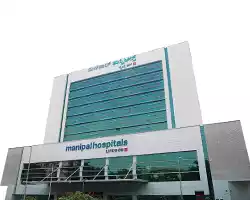
Old Airport Road - Bengaluru
-
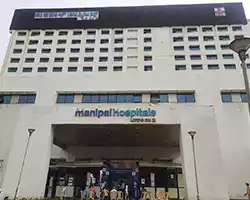
Whitefield - Bengaluru
-

Jayanagar - Bengaluru
-

Malleshwaram - Bengaluru
-

Yeshwanthpur - Bengaluru
-
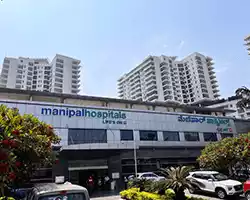
Hebbal - Bengaluru
-

Sarjapur Road - Bengaluru
-
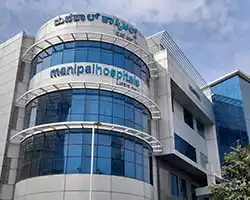
Varthur Road - Whitefield - Bengaluru
-

Doddaballapur - Bengaluru
-
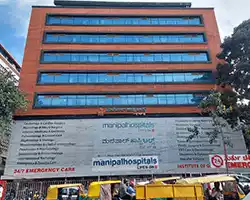
Millers Road - Bengaluru
-

Kanakapura Road - Bengaluru
-

Yelahanka - Bengaluru
Didn’t find what you were looking for?
Get in touch with our representatives for help!
Request a CallbackSymptoms of Uterine Fibroids
Women often seek fibroid treatment in Bangalore due to prolonged heavy periods, lower abdominal pressure, frequent urination urges, or back pain. Infertility concerns and bloating sensations frequently accompany these disruptions.
How We Diagnose Uterine Fibroids
Diagnosis at Manipal Hospitals in Bangalore commences with detailed menstrual history and pelvic examination. Transvaginal ultrasound identifies fibroid location and size accurately, supplemented by saline infusion sonography or MRI for complex cases. Blood analysis detects anaemia from chronic bleeding. These comprehensive assessments inform optimal uterine fibroid treatment in Bangalore pathways.
Treatment Options
Fibroid treatment in Bangalore encompasses hormonal medications, uterine artery embolisation, laparoscopic myomectomy, or hysterectomy. Manipal Hospitals Bangalore prioritises fertility-sparing procedures and advanced laparoscopic approaches for reduced recovery periods.
What to Expect
The journey for fibroid treatment in Bangalore at Manipal Hospitals proceeds thoughtfully, balancing medical precision with patient comfort and informed choices throughout each stage.
-
Initial Consultation
-
A confidential discussion explores symptom severity, reproductive goals, and medical background, establishing trust and outlining diagnostic steps clearly from the outset.
-
-
Diagnostic Tests
-
Pelvic ultrasound, hysteroscopy, or MRI precisely determine fibroid characteristics, number, and position relative to the uterine cavity and surrounding structures.
-
-
Therapeutic Plan
-
Individualised regimens may include medical suppression, embolisation to reduce blood supply, robotic-assisted myomectomy, or abdominal hysterectomy based on age and aspirations.
-
-
Follow-up and Adjustments
-
Regular imaging and symptom assessments monitor treatment response, enabling medication modifications or additional interventions as fibroids respond variably.
-
-
Lifestyle Guidance
-
Nutritional counselling addresses iron deficiency, while pelvic floor exercises and stress reduction techniques support recovery and prevent recurrence effectively.
-
-
Progress and Recovery
-
Menstrual regularity returns progressively, and pelvic comfort improves steadily, enhancing quality of life and fertility prospects within months post-procedure.
-
Manipal Hospitals in Bangalore maintains unwavering commitment to privacy and excellence, accompanying women through fibroid challenges toward restored health and confidence.
Consult our Experts
FAQs
-
What are uterine fibroids, and do they always need treatment?
Uterine fibroids are non-cancerous growths that develop in or around the uterus. Many women never notice symptoms, but others experience heavy periods, pelvic pressure, pain, or frequent urination. Treatment depends on size, symptoms, and how much the condition affects daily life.
-
How is the best fibroid treatment in Bangalore usually decided for a patient?
The treatment plan is based on the number, size, and location of fibroids, along with the patient’s age, fertility goals, and symptoms. Some women need only medicines and monitoring, while others may benefit from minimally invasive or surgical care.
-
How is the best fibroid treatment in Bangalore usually decided for a patient?
The treatment plan is based on the number, size, and location of fibroids, along with the patient’s age, fertility goals, and symptoms. Some women need only medicines and monitoring, while others may benefit from minimally invasive or surgical care.
-
Can fibroids affect pregnancy or fertility?
Yes, fibroids can affect fertility or pregnancy in some women, especially if they distort the uterine cavity or are large in size. However, many women with fibroids still conceive and carry pregnancies successfully with proper medical guidance.
-
Is surgery always necessary for fibroids?
No, surgery is not always required. Small or symptom-free fibroids may be monitored over time. When treatment is needed, doctors may suggest medicines, hormonal therapy, or procedures based on symptoms, growth, and reproductive plans.
-
When should a woman consult a doctor for fibroids?
A doctor should be consulted if periods become unusually heavy, pain worsens, or the abdomen feels bloated or heavy. Persistent bleeding, weakness, or fertility concerns are also strong reasons to seek evaluation early.
Hi I am MAI. Chat Now




You’re on Our Indian Website
Visit the Global site for International patient services