7 Min Read
In our pursuit of a healthy and energetic life, we often overlook the critical roles played by micronutrients. Among these, Vitamin D and Vitamin B12 stand out as powerhouses essential for a myriad of bodily functions. Deficiencies in these vitamins are surprisingly common and can lead to a wide range of health issues, often subtle at first but debilitating over time. In this blog, let us uncover why vitamin D and B12 test are crucial for maintaining optimal health and well-being.
Synopsis
Vitamin D & B12: Essential Nutrients
Vitamins D and B12 tests are not just any nutrients; they are foundational to many physiological processes. Vitamin D, often called the “sunshine vitamin," is vital for bone health, immune function, and reducing inflammation. Vitamin B12, a water-soluble vitamin, is indispensable for nerve function, red blood cell formation, and DNA synthesis. Both play significant roles in energy production and overall vitality.
Given their widespread importance, it's not surprising that inadequate levels can manifest in various symptoms, ranging from fatigue and mood swings to more severe neurological and skeletal problems. Early detection through a simple vitamin D and B12 test can significantly improve health outcomes and quality of life.
Vitamin D Test
A vitamin D test name typically refers to a 25-hydroxyvitamin D test (25-OH vitamin D), which is the most accurate way to measure the vitamin D levels in your body. It assesses both vitamin D obtained from sun exposure and dietary intake. For specialist evaluation in bone, joint, and spine-related symptoms, visit our orthopaedic department at Manipal Hospitals, Bangalore
Purpose of the Vitamin D Test
The primary purpose of a vitamin D test is to identify if your body has sufficient levels of this crucial vitamin. Adequate vitamin D levels are linked to:
-
Strong bones and teeth, preventing conditions like osteoporosis.
-
A robust immune system, helping the body fight off infections.
-
Reduced risk of certain chronic diseases.
-
Improved mood and cognitive function.
Studies indicate that early detection of vitamin D deficiency and subsequent supplementation can reduce the risk of certain bone disorders by up to 50% in at-risk populations. This highlights the immense value of this simple blood test.
When is a Vitamin D deficiency test recommended?
Your doctor might recommend a vitamin D test if you exhibit symptoms or have risk factors for deficiency:
-
Symptoms: Chronic fatigue, bone pain, muscle weakness, frequent infections, depression, hair loss.
-
Risk Factors: Limited sun exposure, dark skin, obesity, older age, certain medical conditions (e.g., Crohn's disease, celiac disease), or taking certain medications.
The Vitamin D Test Procedure
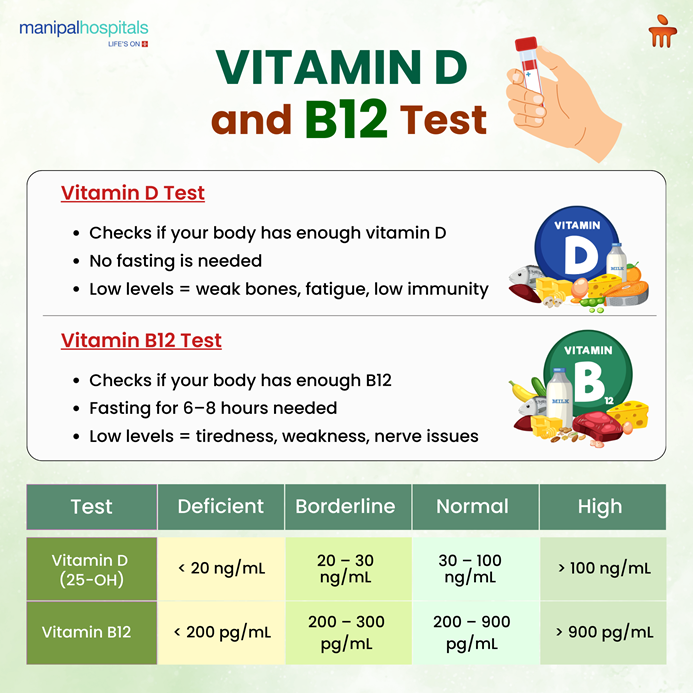
The test involves a simple blood draw, usually from a vein in your arm. No special preparation, like fasting, is typically required, though it's always best to follow your doctor's specific instructions.
Interpreting Your Vitamin D Test Results
Your test results will categorize your vitamin D levels:
-
Deficient: 20 ng/mL
-
Insufficient: 20-30 ng/mL
-
Sufficient: 30-100 ng/mL
-
Potentially Harmful: > 100 ng/mL
Your healthcare provider will interpret these results in the context of your overall health and symptoms. Many patients with diagnosed deficiency find their symptoms significantly improve after targeted supplementation, with over 90% reporting positive changes within a few months of treatment.
What is the average level of vitamin D?
While there's a range for "sufficient," an average level of vitamin D for healthy adults is generally considered to be above 30 ng/mL. Many experts suggest an optimal range between 40 and 60 ng/mL for best health outcomes. However, a significant portion of the global population, estimated at over 1 billion, suffers from vitamin D deficiency, making regular checks vital.
Vitamin B12 Test
A vitamin B12 test, also known as a cobalamin test, measures the amount of vitamin B12 in your blood. This is crucial, as the body cannot produce vitamin B12 on its own and must obtain it from diet.
Purpose of the Vitamin B12 Test
The main purpose of a vitamin B12 blood test is to diagnose or rule out a vitamin B12 deficiency. Adequate B12 is essential for:
-
Healthy nerve function and myelin sheath formation.
-
Production of red blood cells, preventing anemia.
-
DNA synthesis and cellular metabolism.
-
Maintaining cognitive function and energy levels.
Timely identification and treatment of B12 deficiency can prevent irreversible neurological damage, a testament to the importance of this test.
When is a Vitamin B12 Blood Test Recommended?
A vitamin B12 blood test is often recommended if you exhibit symptoms or have risk factors for deficiency:
-
Symptoms: Fatigue, weakness, numbness or tingling in hands/feet, balance problems, memory loss, a sore tongue, mood changes, and anemia.
-
Risk Factors: Vegetarian or vegan diet, older age, digestive disorders (e.g., pernicious anemia, celiac disease, Crohn's disease), weight-loss surgery, and long-term use of certain medications (e.g., proton pump inhibitors, metformin).
The Vitamin B12 Test Procedure
Similar to the vitamin D test, the vitamin B12 test involves a simple blood draw. It is often recommended to fast for 6-8 hours before the test to ensure accurate results, though your doctor will provide specific instructions.
Interpreting Your Vitamin B12 Test Results
Normal reference ranges for vitamin B12 can vary slightly between labs, but generally:
-
Normal: 200-900 pg/mL
-
Borderline: 200-300 pg/mL (often requires further investigation or clinical correlation)
-
Deficient: 200 pg/mL
If your levels are low, your doctor will discuss treatment options, which may include dietary changes, oral supplements, or injections. Regular B12 supplementation can resolve deficiency symptoms in over 95% of patients within weeks, leading to significant improvements in energy and neurological function.
Why Test for Both Vitamins Simultaneously?
Given the overlapping symptoms of their deficiencies and the fact that both are crucial for overall health, it's often beneficial to perform a vitamin D and B12 test together. Many healthcare providers now recommend this combined approach, especially for individuals presenting with non-specific symptoms like fatigue, mood disturbances, or neurological complaints.
This combined approach provides a more holistic view of your micronutrient status, allowing for a more accurate diagnosis and a comprehensive treatment plan. For example, some studies suggest a link between low vitamin D and increased risk of B12 deficiency, making co-evaluation even more prudent. You can easily get a comprehensive vitamin D & B12 checkup in Bangalore at Manipal Hospitals.
FAQ's
For vitamin D, fasting is generally not required. However, for a vitamin B12 blood test, fasting for 6-8 hours is often recommended to ensure accurate results. Always confirm with your doctor or the lab.
Typically, results are available within 3-5 business days, though the timeframe can vary depending on the laboratory.
Yes, vitamin B12 plays a crucial role in brain function and mood regulation. Deficiency can contribute to symptoms like depression, irritability, and memory issues.
The cost can vary based on location and specific lab, but it is generally an affordable and widely available test. It is advisable to check with your nearest Manipal Hospitals branch for current pricing on a vitamin D & B12 checkup in Bangalore.
The risks associated with a blood draw are minimal and may include slight pain, bruising, or lightheadedness at the site. Serious complications are extremely rare.
Yes, many labs offer direct-to-consumer testing for vitamins; you can visit them or request home sampling. It is essential to visit a doctor once the results are in so that you can manage if there is any deficiency.
Yes, many labs offer direct-to-consumer testing for vitamins; you can visit them or request home sampling. It is essential to visit a doctor once the results are in so that you can manage if there is any deficiency.
Share this article on: